
Project manager vs project engineer: Choosing the right role for you

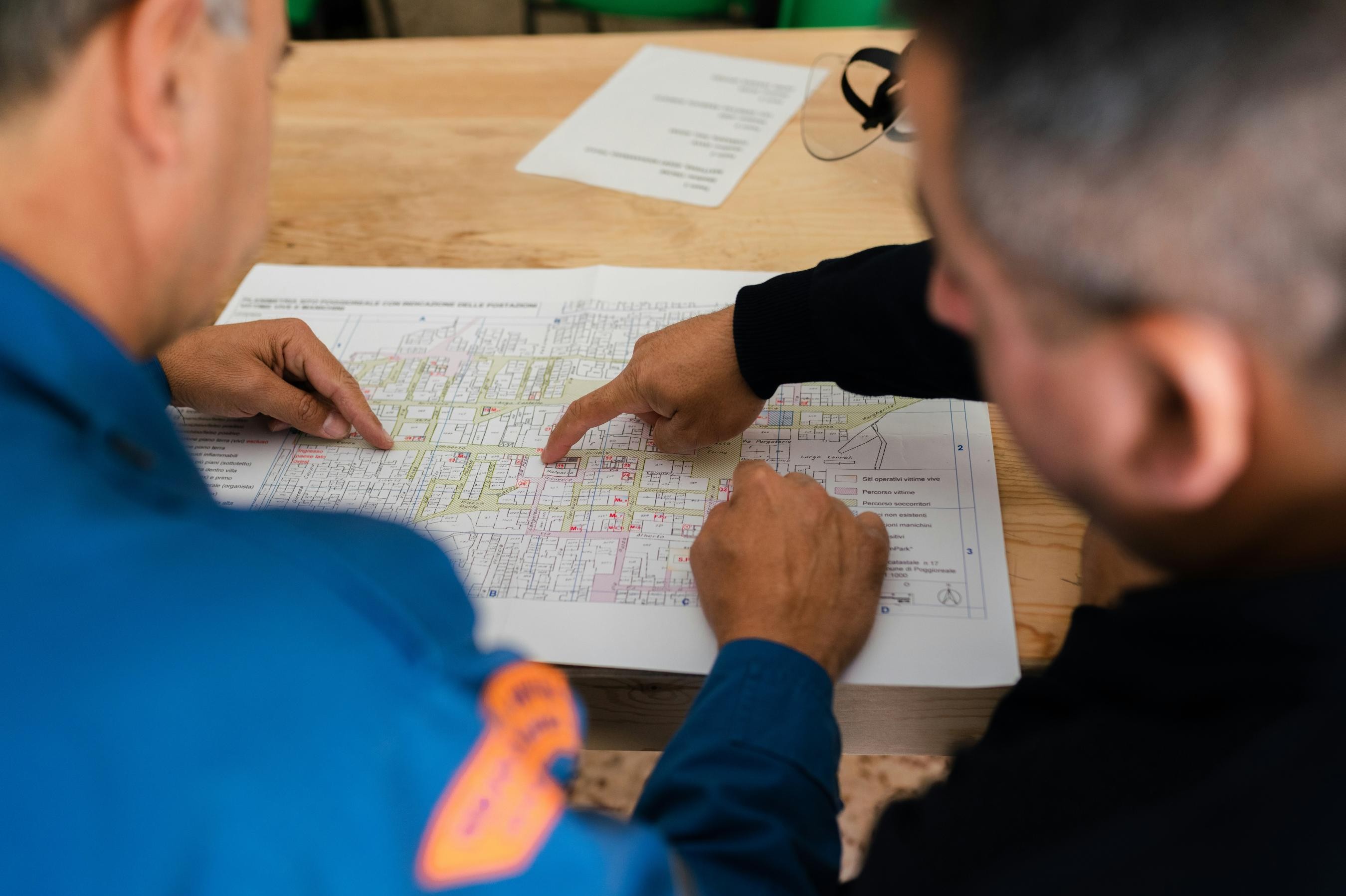
The difference between project manager , project leader and project engineer is one of the most common comparisons candidates make when exploring engineering and technology careers. While these roles can look similar at first glance, the day-to-day responsibilities, expectations and long-term career paths differ significantly.
At Redline Group, we speak to engineering professionals and hiring managers every day who are trying to identify the right fit. Whether you’re an experienced engineer or considering your first step into leadership, understanding the practical differences between these roles will help you make a confident, informed decision.
What is the difference between project manager and project engineer roles?
In engineering-led businesses, these roles play different, but connected roles in delivering successful projects . They often overlap, especially in smaller teams, but the focus of each role revolves around delivering a project successfully. Getting that balance right is what keeps projects moving without losing control or quality.
- A Project Manager or Programme Manager own delivery, timelines, budgets, risks, and coordination
- A Project Engineer owns the technical execution, design, build, testing and validation
- A Project Leader focuses on direction, people alignment, vision and performance
What do project manager jobs involve?
Project manager jobs are built around control, structure and delivery. In engineering environments, this goes beyond scheduling tasks. You are managing interdependencies between design, procurement, test, manufacturing and commissioning, often across multiple disciplines and locations.
Responsibilities in project manager jobs
- Managing full lifecycle delivery from initial order through to final handover
- Creating and maintaining project plans, resource allocation and budgets
- Managing risk, change control and escalation points
- Acting as the primary communication link between engineering teams, customers and suppliers
- Ensuring compliance with safety, regulatory and quality standards
- Monitoring progress across all workstreams to maintain visibility and control
In more senior project manager jobs, particularly within complex engineering sectors, you will also:
- Manage multiple concurrent projects with conflicting priorities
- Oversee technical proposals, supplier selection and commercial decisions
- Lead multidisciplinary teams while maintaining delivery performance and performance metrics
What employers look for in project manager candidates
Hiring managers are typically looking for:
- A track record of delivering complex engineering projects end-to-end
- Strong stakeholder management across technical and commercial groups
- The ability to manage ambiguity and keep projects moving under pressure
- Solid commercial awareness, including cost, margin and contractual risk
- Sufficient technical grounding to challenge assumptions and support decision-making
What do project engineer jobs involve?
Project engineer jobs sit within the engineering function and focus on technical execution across the project lifecycle. The role is not purely design-based. It combines engineering delivery with project awareness, ensuring that what is being developed is aligned with requirements, timelines and constraints.
Project engineer jobs suit candidates who are skilled at problem solving, and take ownership of technical outcomes while working within a structured project environment.
Responsibilities in project engineer jobs
- Translating requirements into technical specifications and deliverables
- Supporting design, development, build, testing and verification activities
- Producing and maintaining technical documentation for compliance and traceability
- Identifying, analysing, and resolving technical issues during the lifecycle
- Collaborating with suppliers, manufacturing teams and stakeholders to ensure feasibility
- Supporting project tracking through milestone updates and reporting
What employers expect from project engineer candidates
- A solid engineering foundation (degree, HNC/HND or equivalent experience)
- Experience working within multi-disciplinary engineering teams
- Confidence handling technical documentation, testing and validation processes
- Analytical and problem-solving capability
- The ability to communicate technical issues in clear, simple language.
Read more: Everything you need to know about engineering leadership positions
Why project manager roles are in demand
Project manager jobs continue to be in demand across engineering and technology businesses as projects become more complex. Global supply-chains, multi-disciplinary teams, and tighter deadlines means organisations need specialists who can bring order and structure to technical environments.
In sectors like electronics, defence, aerospace, clean energy and advanced manufacturing, project managers are expected to manage technical risk alongside commercial and operational pressures. That combination of responsibility makes experienced project managers difficult to replace, which is why demand remains constant.
There is also a growing need for project managers who can bridge the gap between engineering and business. Candidates who understand both the technical detail and the commercial impact of decisions are particularly valuable in today’s market.
Where can these career paths lead?
Both project manager jobs and project engineer jobs offer clear progression, but they build different types of experience.
Project engineer roles typically develop into senior or lead engineering positions, where you take ownership of more complex systems and begin to guide technical direction. From there, some engineers move into project management, bringing their technical background with them, while others continue towards specialist or principal-level roles.
Project manager roles tend to progress into programme management or operational leadership, where the focus shifts from individual projects to portfolios, business performance and long-term strategy. This path moves further away from technical detail and closer to commercial and organisational responsibility.
It’s common to see careers move between the two. Many strong project managers start in project engineer positions, while experienced project managers often step into broader leadership roles as their scope increases.
How Redline Group supports project manager and project engineer careers
Redline Group has been building engineering and technology teams since 1982, working across sectors where project delivery is critical, from electronics, semiconductor and instrumentation to defence, rail and industrial systems.
We change lives everyday, building world-class teams and truly understand how these roles work beyond what is written in the descriptions. With this knowledge-led approach, we match candidates not only to the right role, but to the right environment, one where they can perform, grow and succeed. Whether you’re hiring or looking for the next career opportunity, our expert team of specialists are here to help you move forward with confidence.
Explore our project manager jobs and our wider engineering and technical roles today.
