
What Electronics Manufacturing Engineers Really Do

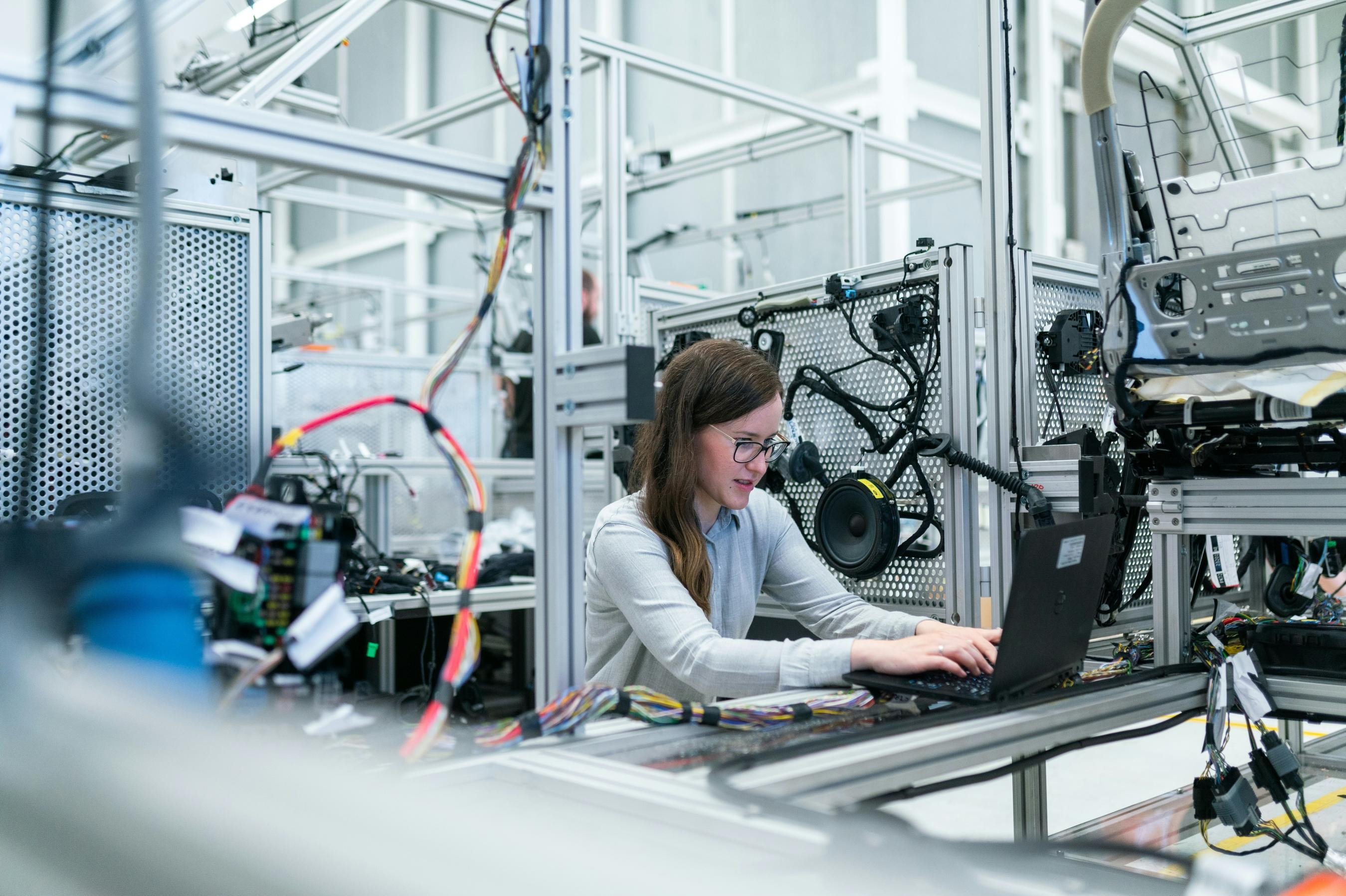
Electronics manufacturing engineers are the people who make sure electronic products can be built just as effectively in production as they look on paper or in the development lab. They work with production teams, electronics design engineers, mechanical design and PCB layout engineers, technicians, suppliers and quality specialists to turn electronic designs into reliable manufacturing processes.
For candidates exploring electronics manufacturing engineer jobs, the title often covers more responsibilities than it first suggests. If you’re considering these roles, here’s what you can expect.
What is an electronics manufacturing engineer?
An electronics manufacturing engineer is responsible for supporting the build, test and continuous improvement of electronic products within a manufacturing environment. This could include printed circuit board assemblies, cable assemblies, box build, sensors, embedded systems, control units, power electronics, instrumentation or larger electromechanical products.
Unlike design engineers, the role is less focused on creating a product from scratch and more about ensuring those products can be manufactured efficiently, consistently, and at scale. A design may be technically sound, but if it’s difficult to assemble or vulnerable to small process changes, it can create real challenges once manufacturing begins.
That’s where electronics manufacturing engineers add value. They focus on manufacturing reliability, production readiness, and scalability. This may involve working on everything from build instructions and process flows to production tests and root cause analysis.
What does an electronics manufacturing engineer do day to day?
The day-to-day work can be varied, which is one of the reasons many engineers enjoy the role. They identify potential production risks early and ensure that the manufacturing process is robust, efficient, and repeatable.
Typical responsibilities of an electronics manufacturing engineer include:
- Supporting new electronic products as they move into production (NPI)
- Reviewing designs for manufacture (DFM) and design for test (DFT) improvements
- Creating manufacturing build instructions and process flows
- Investigating faults, defects, rework and production failures using root cause analysis
- Improving first-pass yield, cycle time and process repeatability
- Supporting PCB assembly, soldering, wiring, inspection and test processes
- Collaborating with teams to resolve quality and yield challenges
- Advising on tooling, fixtures, jigs and automated test equipment
- Solving practical production and build issues
- Driving continuous improvement across electronics manufacturing processes
What technical skills do electronics manufacturing engineers need?
Electronics manufacturing engineers need a practical mix of electronics knowledge and manufacturing experience. They don’t always need to be design specialists, but they must understand how electronic products are assembled, tested and manufactured.
PCB and PCBA knowledge is particularly important. Employers look for engineers who understand component placement, common soldering defects, inspection criteria and the transition between a prototype build to scalable, repeatable production.
In-demand technical skills for electronics manufacturing engineers include:
- Solid knowledge of PCB assembly and electronic manufacturing process
- Hands-on experience with surface mount technology (SMT), through-hole assembly, soldering, wiring or cable assembly
- Understanding of design for manufacture (DFM) and design for test (DFT) principles
- Ability to interpret schematics, bills of materials (BOMs), technical drawings and assembly documentation
- Knowledge of root cause analysis, 8D, FMEA, and continuous improvement / corrective action processes
- Familiarity with IPC-A-610, J-STD-001 or similar standards
- Knowledge of yield improvement, cycle time reduction and process control techniques
- Experience with lean manufacturing or continuous improvement methodologies
- Awareness of automation, robotics, PLCs or SCADA where relevant
Why electronics manufacturing engineers matter during NPI
New Product Introduction (NPI) is among the most important parts of the job. This is where an electronic design moves from prototype into a controlled production environment, and it’s where small oversights can become issues down the line.
During NPI, electronics manufacturing engineers may review PCB layouts, assess assembly risks, check whether test points are accessible, define tooling requirements, create build routes and support prototype or pilot production runs. They may also feed back to design engineering when something needs to change before full production begins.
This early input can prevent problems such as unclear build steps or unnecessary rework. A good NPI process depends on practical engineering judgement. Electronics manufacturing engineers help ask the questions that protect the product from failing later.
Electronics manufacturing engineer jobs vs production engineer jobs
There’s often overlap between electronics manufacturing engineer jobs and production engineer roles, as both involve process improvement, troubleshooting and continuous optimisation. However the key difference lies in the technical focus.
A production engineer typically works across a broader manufacturing environment, supporting a wide range of products and processes depending on the industry. In contrast, an electronics manufacturing engineer focuses on the detailed technical requirements involved in producing electronic products, such as PCB assemblies, electronics testing and industry compliance standards.
Professionals with general production engineering experience may need to build expertise in areas like PCB assembly, surface mount technology (SMT) or electronics standards to transition into a specialist electronics manufacturing role. Similarly, individuals with hands-on test or technician experience can progress into manufacturing engineering by demonstrating strong process awareness and problem-solving skills, and an understanding of manufacturing workflows.
What employers look for in electronics manufacturing engineers
Employers are looking for electronics manufacturing engineers who can solve problems effectively and methodically. That means being curious and calm enough to find the cause of an issue rather than chasing the first obvious answer.
Strong communication skills, as the role sits between design, production and quality teams requiring regular collaboration with cross-functional teams and, sometimes, customers. Each stakeholder may want to prioritise different aspects of the challenge, so the ability to align perspectives and drive solutions is critical.
When hiring, employers seek attributes including :
- A solid understanding of electronics manufacturing processes, including PCB assembly
- Proven problem-solving and root cause analysis skills
- Ability to produce clear technical documentation
- Confidence working with production and engineering teams
- A structured approach to continuous improvement
- Strong decision-making when balancing cost, quality and delivery
- Ownership of projects, from initial concept through to implementation and results
- The ability to stay calm when managing time-critical production issues
Developing these skills not only helps engineers stand out in the job market but also positions them for long-term success.
Find electronics manufacturing engineer jobs with Redline Group
At Redline Group, we change lives by building world-class teams across specialist electronics, engineering, and technology recruitment, drawing on more than 40 years of expertise. Our consultants understand the critical difference between a broad manufacturing role and a highly specialised electronics manufacturing position, ensuring candidates find the right fit for their skills and career ambitions.
Search the latest Electronics Jobs with Redline Group today.
