
Why Control Systems Engineers Are More Important Than Ever

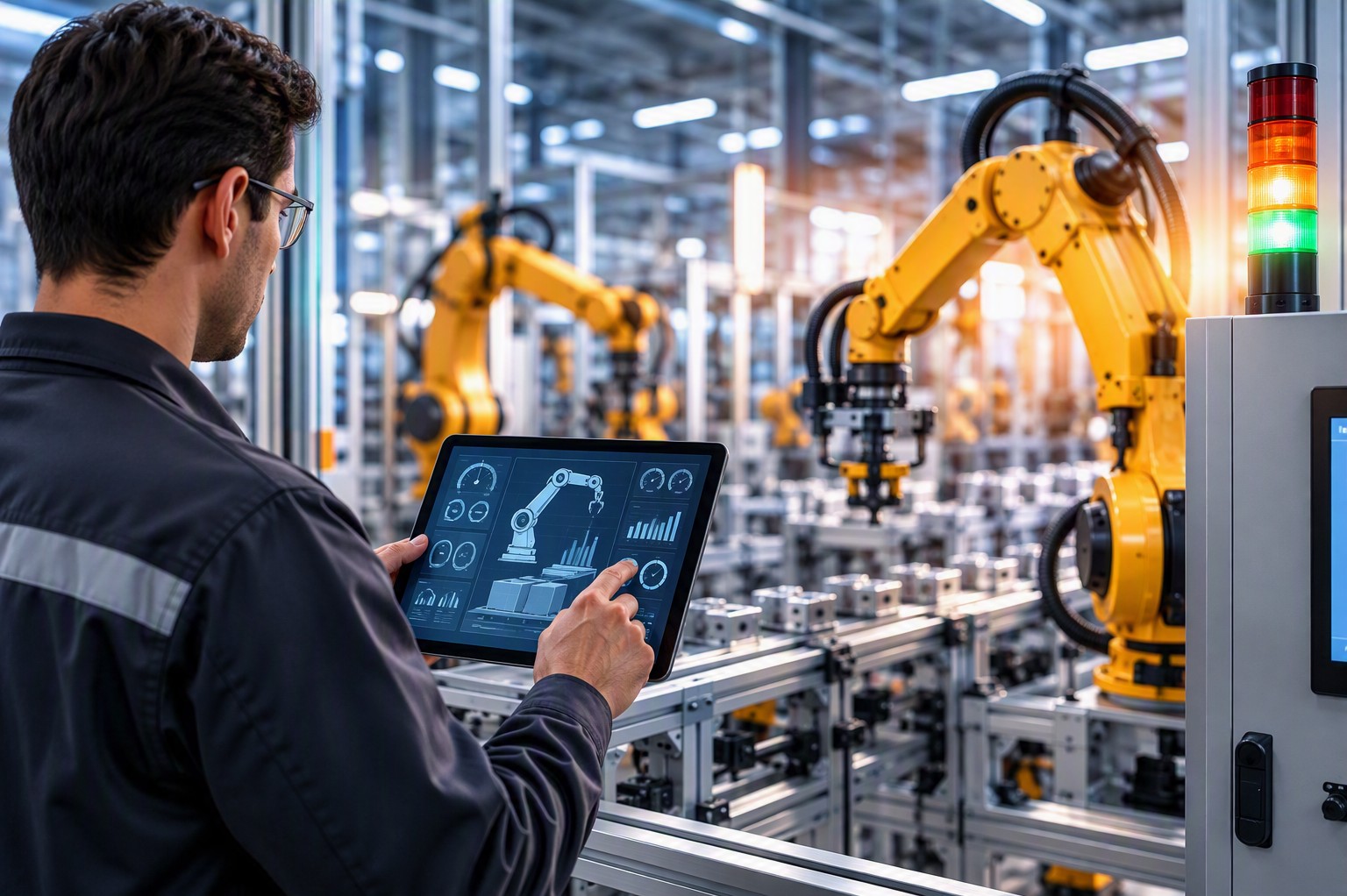
A production line can have capable machinery at every stage and still lose hours to avoidable stoppages. A component arrives before the next station is ready, a sensor gives an unexpected reading, or one part of a process fails to respond as it should.
In today's increasingly automated manufacturing environments, Control Systems Engineers play a critical role in ensuring machinery, industrial automation systems and production processes operate safely, efficiently and reliably. They work out how equipment and processes should behave, then design and maintain the systems that make that happen.
Their work can involve everything from PLC programming, SCADA systems and instrumentation to motor control, monitoring systems and complex industrial processes.
Their expertise is valuable when businesses introduce new automation, but it is just as important when existing equipment needs upgrading. As engineering environments become more connected and organisations look for greater efficiency, the decisions behind these systems can affect performance across an entire operation.
For engineers exploring a career in process control and automation, understanding those challenges can help you see where your experience fits and which skills could take your career further.
What does a Control Systems Engineer do?
A Control Systems Engineer designs, develops and supports systems that control machinery or industrial processes.
In many control systems, information about what is happening is used to determine how equipment should respond. That could mean adjusting the speed of a motor, maintaining a particular temperature or pressure, moving equipment into position or stopping a machine when a safety condition is triggered.
The role can also cover much more than the initial design. Engineers may develop control software, produce specifications, integrate equipment, test systems, commission machinery, investigate faults and support equipment throughout its working life.
That combination of hardware, software and practical engineering is one reason experienced Control Systems Engineers can work across such a wide range of industries.
Why are Control Systems Engineers increasingly important?
Industrial systems rarely operate in isolation.
Manufacturers and technology companies increasingly need equipment to work together and respond consistently to changing conditions. At the same time, many organisations are balancing the introduction of new technology with machinery and infrastructure that may have been operating for years.
Control Systems Engineers work where many of those requirements meet.
As organisations continue investing in Industry 4.0 initiatives, smart manufacturing technologies and digital transformation programmes, control systems engineering has become increasingly business-critical. The ability to connect equipment, collect operational data and optimise performance across production environments depends upon robust and reliable control systems.
When new equipment is installed, somebody has to make sure sensors, actuators, controllers and software work together correctly. When an existing system is upgraded, the new technology has to integrate with what is already there. When production is interrupted, engineers need to understand not only which component has failed but how that failure affects the rest of the process.
That need is reflected in the recruitment market. Our latest UK labour market insights highlight Control Systems & Automation among the specialist technical disciplines where demand remains strong.
Automation is creating new control challenges
Automation is one of the areas increasing the demands placed on control systems.
Adding automated machinery is not simply a case of asking a machine to repeat the same action. Equipment needs to respond to real conditions and behave predictably when something changes.
From collaborative robotics and automated inspection systems to intelligent material handling equipment, modern automation relies on control systems that can respond in real time. This has increased demand for engineers capable of integrating PLCs, HMIs, SCADA platforms and industrial communication networks into a single operational environment.
A sensor might detect that a component is missing. A conveyor may need to slow because equipment further down the line has stopped. A process might need to remain within tightly controlled operating limits despite changes elsewhere in the system.
The control system determines what happens next.
As automated equipment becomes part of larger manufacturing and operations environments, Control Systems Engineers need to understand both individual machines and the interactions between them. The challenge is not automation for its own sake, but creating systems that remain reliable, scalable and efficient as automation becomes more widely used.
Existing equipment still needs control expertise
Replacing an entire production system can be expensive and unnecessary when much of the existing equipment still performs effectively. Businesses may instead upgrade controllers, replace obsolete components, introduce new sensors or improve the way different machines communicate.
Many manufacturers face the challenge of balancing investment in new technology with the need to maximise the value of existing assets. Retrofitting legacy equipment with modern control technologies can improve productivity, increase visibility and support operational efficiency without the cost of complete equipment replacement.
Those projects bring their own challenges.
An engineer may need to understand a control system designed years ago before deciding how it can be modified. Documentation may be incomplete and newer equipment may need to communicate with technology from a different generation.
Modernisation therefore requires more than familiarity with the latest platforms. Engineers who can understand how systems were designed and introduce improvements without disrupting the wider operation can play an important role in extending the useful life of industrial equipment.
Reliability depends on more than individual components
Control Systems Engineers also have a major influence on reliability.
A fault with one sensor or controller can have consequences well beyond the component itself. If a system has not been designed to respond appropriately, a relatively small problem can interrupt a much larger process.
Effective control engineering considers those possibilities in advance.
Experience in areas such as test and maintenance engineering can also be valuable because it gives engineers first-hand exposure to the way equipment behaves outside the design environment.
That becomes particularly important where downtime is costly, operational performance is critical or equipment needs to run consistently for extended periods.
Industry 4.0 is increasing demand for Control Systems Engineers
Industry 4.0 continues to reshape manufacturing and industrial operations through the use of connected devices, data-driven decision making and real-time process monitoring.
Control Systems Engineers play a central role in enabling these technologies by ensuring machinery, sensors, controllers and software platforms communicate effectively. Whether supporting automated production lines, process control systems or advanced manufacturing facilities, their expertise helps organisations improve productivity, reduce downtime and enhance operational efficiency.
As more organisations pursue automation, digitalisation and smart factory initiatives, demand for engineers with control systems expertise is expected to remain strong across a wide range of industries.
Control systems connect different engineering disciplines
Few control systems exist entirely within one engineering discipline.
A Control Systems Engineer might need to understand an electrical drawing, configure a PLC, interpret data from an instrument and discuss the mechanical behaviour of a machine with another engineer.
They may work alongside electrical, mechanical, software, manufacturing, process and maintenance teams. Communication and problem-solving therefore matter alongside technical knowledge.
Engineers need to understand what a system is supposed to achieve and explain how the finished system behaves to the people who will operate or maintain it.
Experience across different parts of a project can be particularly valuable. Commissioning, fault finding and maintenance work, for example, can expose engineers to problems that are difficult to anticipate from design work alone.
What skills do Control Systems Engineers need?
The exact requirements vary considerably between roles because control engineering is used across so many sectors.
Knowledge of PLC programming is common in industrial environments, while other positions may require experience with DCS, SCADA systems, Human Machine Interfaces (HMI), industrial communication protocols and systems integration.
Understanding sensors, instrumentation, motors, drives and wider electrical engineering principles can also be important depending on the equipment being controlled.
Software knowledge can be relevant too. Some control environments involve dedicated industrial programming languages, while other products require closer integration with firmware or embedded software.
There is also value in being comfortable with the full engineering lifecycle. Designing a system is one challenge. Testing it and solving unexpected problems in a live environment can require a different set of skills.
Control Systems Engineers who build experience across these areas can develop a broad understanding of how engineering decisions perform outside the design environment and contribute to continuous operational improvement.
Frequently Asked Questions About Control Systems Engineering
Why are Control Systems Engineers in high demand?
Demand continues to grow as organisations invest in industrial automation, Industry 4.0 technologies, smart manufacturing, digital transformation and productivity improvement initiatives.
What industries employ Control Systems Engineers?
Control Systems Engineers work across manufacturing, process industries, energy, automotive, aerospace, semiconductor, scientific instrumentation, pharmaceuticals, food production and specialist machinery sectors.
What technical skills are employers looking for?
Common requirements include PLC programming, SCADA systems, HMI development, instrumentation, industrial networking, systems integration, commissioning, fault diagnosis and project engineering experience.
Is control systems engineering a good career choice?
Control systems engineering offers opportunities across a wide variety of industries and technologies. As businesses continue to automate operations and modernise equipment, demand for engineers with these skills is expected to remain robust.
Where can a career in control systems engineering lead?
Control engineering skills are used across manufacturing, process industries, energy, scientific equipment, transportation, specialist machinery and many other areas of engineering.
Some engineers become specialists in particular control technologies or industries. Others move towards systems integration, project engineering, commissioning or technical leadership. Engineers with strong practical experience may also work on increasingly complex projects involving multiple technologies and engineering disciplines.
The variety of systems involved means there is rarely one fixed route into or through the profession.
Find your next Control Systems Engineer opportunity
As manufacturing environments become increasingly connected and organisations continue investing in automation, Industry 4.0 technologies and digital transformation initiatives, engineers who understand how machinery, software and industrial processes work together have an increasingly important role to play.
Control Systems Engineers remain central to improving productivity, reliability and operational performance across high-technology industries.
At Redline Group, we change lives every day, building world-class teams for technology companies. With over 40 years' experience in engineering and technical recruitment, we help engineers find opportunities that match their experience, ambitions and the work they want to do next.
Explore our Process Control & Automation jobs, covering permanent and contract opportunities, or speak to our specialist team about your next move.
